
Rendezvous Sports World, part of the consortium that owns Kochi franchise of the Indian Premier League (IPL), may not be technically having the "sweat equity" that they claim to have.

US-based Eli Lilly has planned to continue its focus on innovation-driven products, instead of opening up to opportunities in off-patent generic drugs, being tapped by its larger competitors like GSK and Pfizer.

Pharmaceutical companies in Himachal Pradesh are queuing up to register new products at the drugs controller's office before the seven-year tax holiday window for hill states ends on March 31

The Reserve Bank of India (RBI) plans to amend its rules to pre-empt non banking finance companies (NBFCs) from misusing the liberal rules governing limited liability partnership (LLP) firms.

India will submit a 'status report' on the progress it has made on intellectual property rights (IPR) protection and enforcement during the last year to the United States Trade Representative (USTR).

In addition to the US drug regulator, Food and Drug Administration, and rival pharma majors that appear keen to launch litigation against Indian company Ranbaxy, a US citizen has joined the bandwagon by filing a case in the world's biggest drug market.

Glaxo wants to obtain trademark rights for 'Volmax', the brand name of its respiratory medicine.
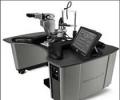
While the manufacturers want higher Customs duty to make imports costlier and encourage the domestic industry, the department has called for a reduction in the duty to bring down the cost of imported devices.
Multinational drug companies with research interests in India may soon find the market more lucrative. The government plans to revive, and may extend to foreign companies, the income-tax exemptions enjoyed by Indian research and development pharma companies till 2007.

The pre-Budget memoranda of the Indian Drug Manufacturers Association and the Federation of Indian Chambers of Commerce and Industry have said more incentives are needed to spur drug research.

As drug multinationals from the United States demand a stronger intellectual property regime that gives exclusive marketing rights for their patented medicines in India, their own government has said the IP system is partly responsible for the extraordinary increase in prices for some medicines in the US.

Over 20 drug companies marketing anti-obesity drug sibutramine under a variety of brand names are likely to soon face a ban on selling the medicine.

Indian pharmaceutical companies, which are increasingly choosing to settle patent litigation with global drug majors in the US, would have to be more cautious now.

Pharmaceutical patents are just over a fourth of all patents granted in the country, but domestic drug makers account for almost all post-grant patent opposition filed, official data reveals.

There has been a sharp increase in the number of graduates who want to qualify as patent agents -- the intermediates between patent applicants and the patent office. Over 2,000 persons will appear for the national level examination conducted by the patent office that qualifies graduates to work as patent agents later this month. This is a five-fold increase over the number of applications that had reached the patent office last year.

India's product patent regime for drugs, which is now five years old, is set to enter a phase in which there will be a distinct change in the kind of patents sought as well as patent challenges, say officials and industry experts.

US-based Merck is confident that its cervical cancer vaccine Gardasil will help it to secure a position among the country's top five drug companies in the next five years.

The smaller players in the business - combined under the Small Pharmaceutical Industries Confederation - have raised objections to the proposed Uniform Code of Pharmaceutical Marketing Practices.

Last week, scientists working with the Institute of Genomics and Integrative Biology (IGIB) in New Delhi decoded the genome of a 52-year-old man from Jharkhand after nine weeks of study -- a first in the country. The feat has helped India join a select club of countries -- the US, UK, Canada, Korea and China.

Indian medicine accounted for over 50 per cent of all drug seizures in Europe for intellectual property rights violation last year. Industry experts said this indicates the seriousness of the problem. This data was revealed in the recently-released 2009 report of the European Union on the customs enforcement activities of its member states.
 © 2025 Rediff.com - Investor Information - Advertise with us - Disclaimer - Privacy Policy - Sitemap - Feedback - About us - Terms of use - Grievances